

Creatine, a natural organic compound in our muscles, is produced in the liver from three amino acids. Since the body synthesises it in limited quantities, it is necessary to obtain it through food supplements to optimise its benefits.
What is so special about creatine?
- It increases muscle energy
- It improves strength
- It boosts endurance
- It speeds up recovery
- It promotes muscle growth
- It reduces fatigue
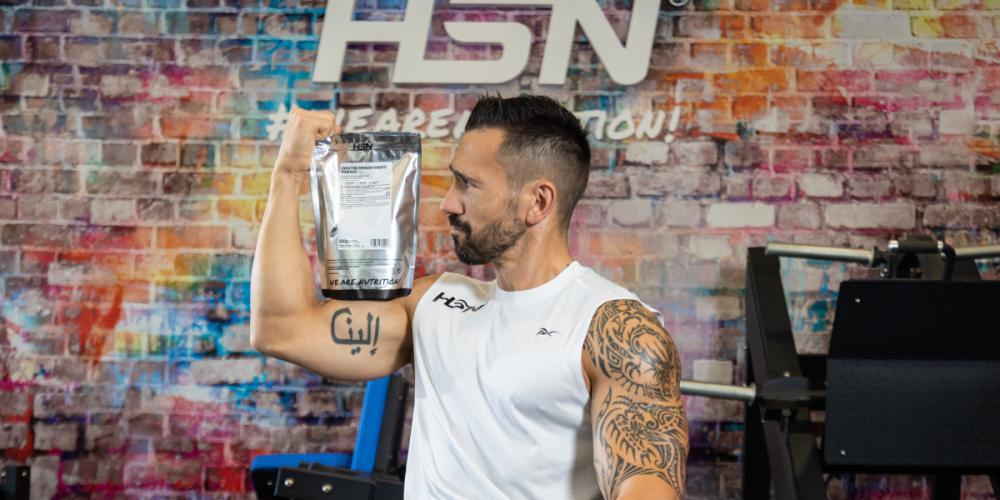
What is creatine used for and how does it work?
Creatine plays a structural role as the building block for phosphocreatine, a molecule stored in our muscles that supplies quick energy during intense exercise and muscle fatigue. This molecule is transported into muscle cells, where it is phosphorylated by the enzyme creatine phosphokinase (CPK or CK) to form phosphocreatine.
The way creatine works is as follows:
- During muscle contraction, phosphate bonds of ATP (adenosine triphosphate) are broken, releasing energy that allows the muscle fibres to contract.
- The degraded ATP is converted into ADP (adenosine diphosphate), thus losing its ability to provide energy.
- CPK transfers a phosphate from phosphocreatine to ADP, converting it back to ATP.
By increasing the availability of creatine in the cells, it increases the ability to recover energy quickly without the need for long breaks.
What are the benefits of creatine for sports performance?
Creatine monohydrate has established itself as one of the most popular sports supplements in the world of fitness, second only to whey protein. Its benefits on physical performance have been the subject of numerous studies, demonstrating its positive effects on sports training.
It improves training performance
One of the main advantages of creatine is its ability to boost performance in sessions where efforts are short and intense; such as in:
- HIIT Training: High Intensity Interval Training.
- Team sports training on the court: basketball, handball, indoor football, volleyball, etc.
- CrossFit® and other high-intensity sports disciplines, such as combat sports.
Creatine makes it easier for muscles to recover and be ready for another intense effort in a shorter time, thus improving training performance.
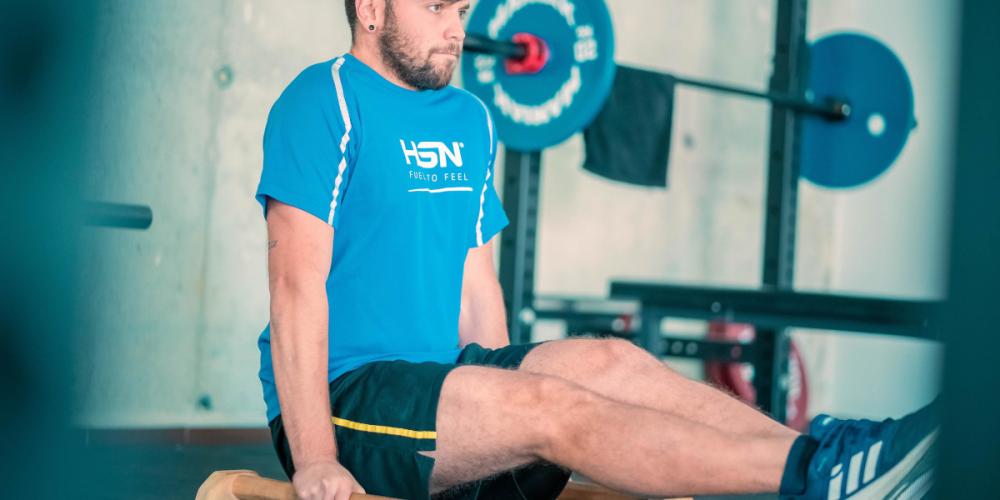
It increases strength
A dose of at least 3 grams per day, taken over the long term and without rest, has been shown to enhance the effects of weight training in athletes over 55 years of age who are exposed to a specific training regime.
Creatine is able to boost adaptation to weight training, which results in a significant increase in strength.
It contributes to muscle mass growth
Its beneficial effect on muscle mass gain is due to the increase in lean mass, which is directly related to the ability to exert strength. Numerous studies indicate the positive potential of creatine on muscle gain in older adults, as an adaptation of weight training, allowing strength gains to be maximised.
It improves muscle recovery
Creatine may offer significant benefits in terms of muscle recovery after training. While there is still some uncertainty about its specific role in this regard, it has been shown that creatine can increase the speed of recovery in high-intensity, short-duration exercise.
This is because creatine increases the availability of energy donors, which in turn improves performance during sporting activities.
Creatine’s health benefits beyond sport
While creatine is widely known for its physical performance benefits in sports, there is growing evidence to support its role in improving cognitive function and overall brain health.
In fact, recent studies have shown that creatine supplementation can have a positive impact on memory, concentration and the prevention of neurodegenerative diseases such as Parkinson’s disease.
- Creatine seems to reduce mental fatigue in scenarios such as mentally demanding activity and sleep deprivation.
- Creatine may also improve working memory, although probably only for people with below-average creatine levels, such as vegetarians and older adults.
Thus, creatine proves to be a versatile supplement with the potential to improve quality of life in a number of areas, although more research is required to confirm that it is fully effective.
What is the best way to take creatine?
The best way to consume creatine is to take a daily dose of approximately 3-5 grams, which is the amount generally recommended in the maintenance phase. By skipping the loading phase and starting with the maintenance phase, excessive creatine consumption is avoided, which can minimise potential side effects, such as water retention or excess creatinine, and ensure effective and sustained long-term absorption.
Although there are different ways to take creatine, some people choose to do a loading phase followed by a maintenance phase. HSN recommends starting directly with the maintenance phase.
However, it is essential to consult a doctor or nutritionist before starting creatine to ensure safe and appropriate use.
Creatine supplementation recommendations
If you are interested in boosting your physical performance, HSN brings you creatine supplements at the best price and in a variety of formats, guaranteeing the support you need to achieve optimal athletic performance.
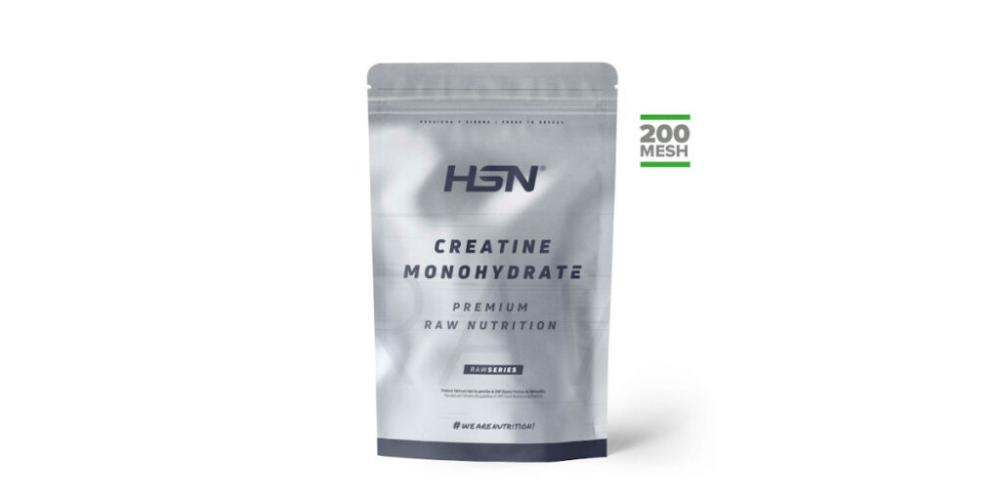
Creatine Monohydrate Powder by RawSeries
Creatine monohydrate powder is a unique choice in its composition, which is characterised by its excellent solubility and is perfectly suitable for vegan diets.
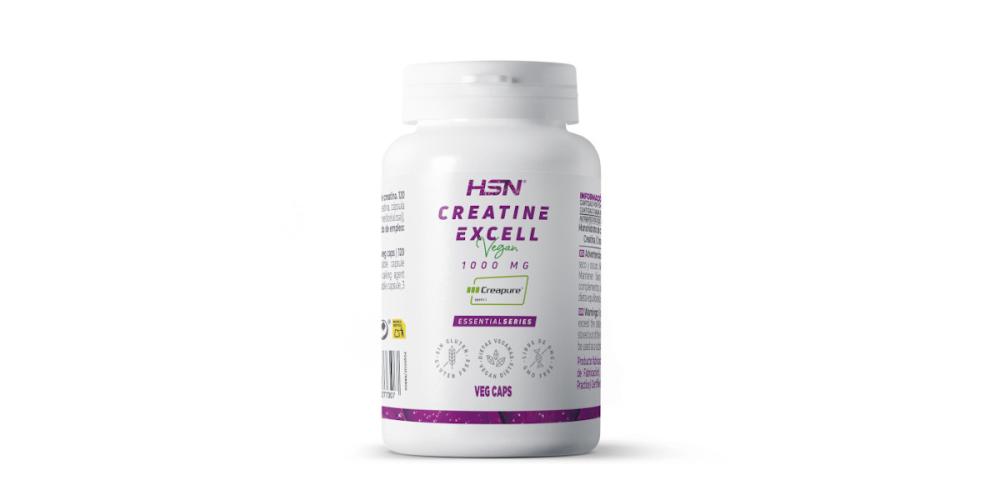
Creatine Excell 1000mg (100% Creapure®) by EssentialSeries
Creatine monohydrate capsules are ideal for those seeking better absorption and to avoid possible gastrointestinal problems.
Bibliographic sources
- https://examine.com/supplements/creatine/
- Lanhers, C., Pereira, B., Naughton, G., Trousselard, M., Lesage, F. X., & Dutheil, F. (2017). Creatine Supplementation and Upper Limb Strength Performance: A Systematic Review and Meta-Analysis. Sports Medicine, 47 (1), 163-173. https://pubmed.ncbi.nlm.nih.gov/29138605/







The information below is required for social login
Sign In
Create New Account