
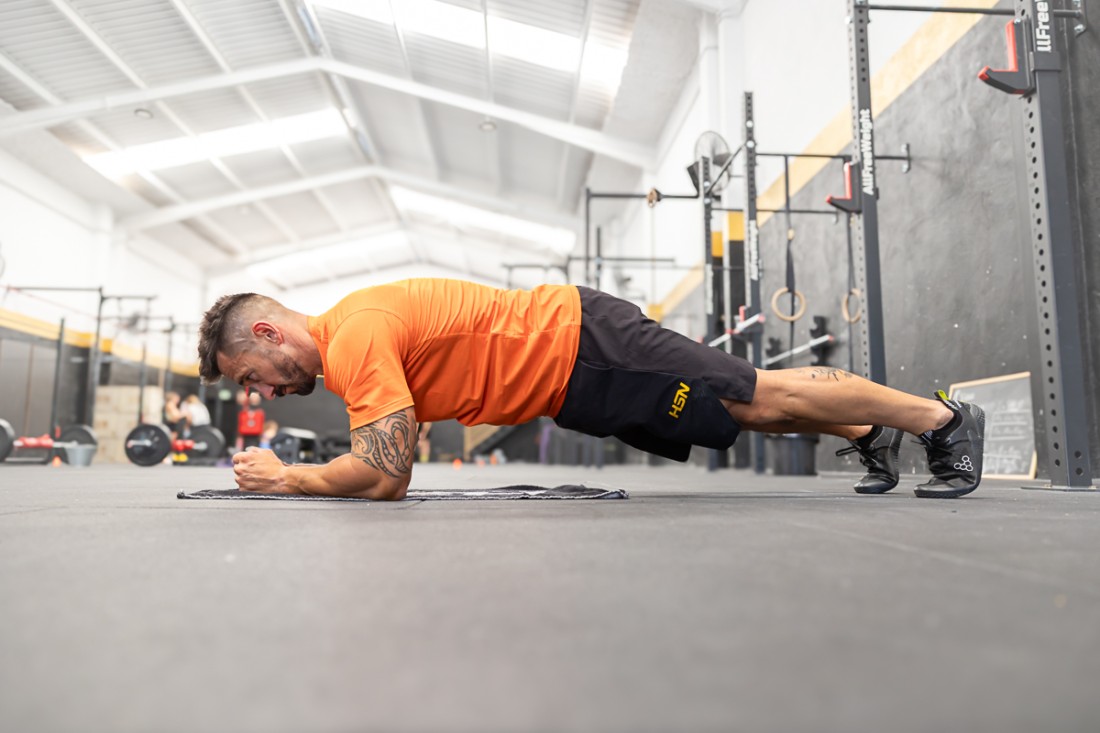
Did you know that the core is the power center of your body? As a sports and nutrition specialist, I’ll reveal a secret: planks not only sculpt your abs, but are the foundation for optimal physical performance, flawless posture, and effective injury prevention. Best of all, they adapt to any fitness level and require no expensive equipment.
Ready to transform your routine? Here are 7 plank variations, explained step by step, with exclusive tips to maximize results.
1 Traditional abdominal plank
A full-body exercise that works the rectus abdominis, obliques, transverse abdominis, and back muscles.
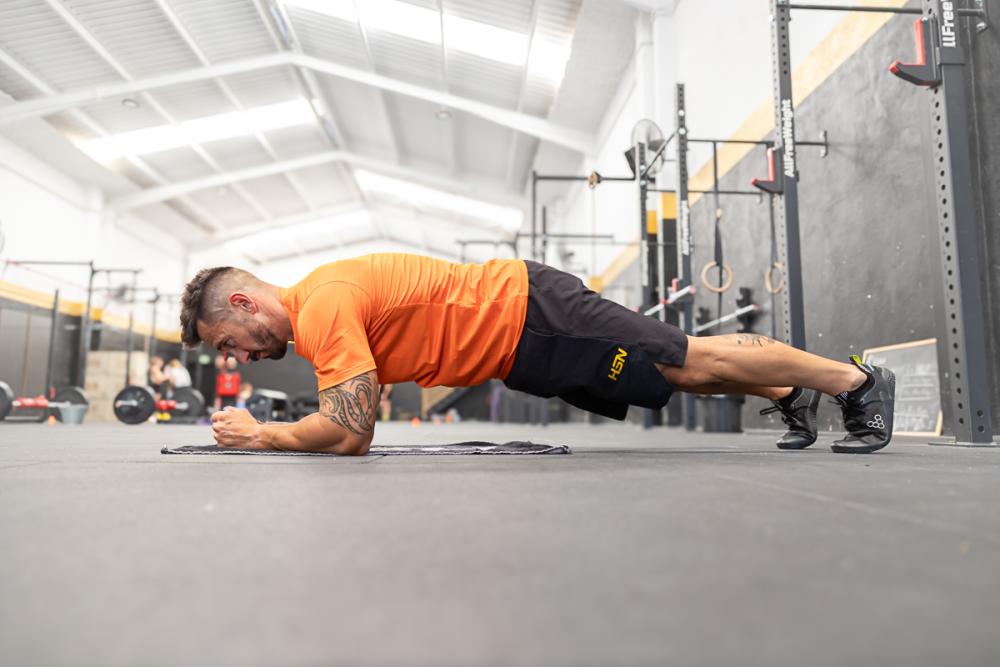
Execution: support yourself on your forearms and the balls of your feet, with elbows aligned under the shoulders. Keep your body straight (avoid arching your lower back) and engage glutes and core. Hold for 20–60 seconds, breathing deeply.
Sessions: 3 sets of 45–60 seconds.
Variations: lift one leg or reduce the duration for beginners.
Tip: if you feel lower back pressure, correct your hip and shoulder alignment.
2 Plank with arm raise
An exercise that works shoulders, core, and spinal erectors.
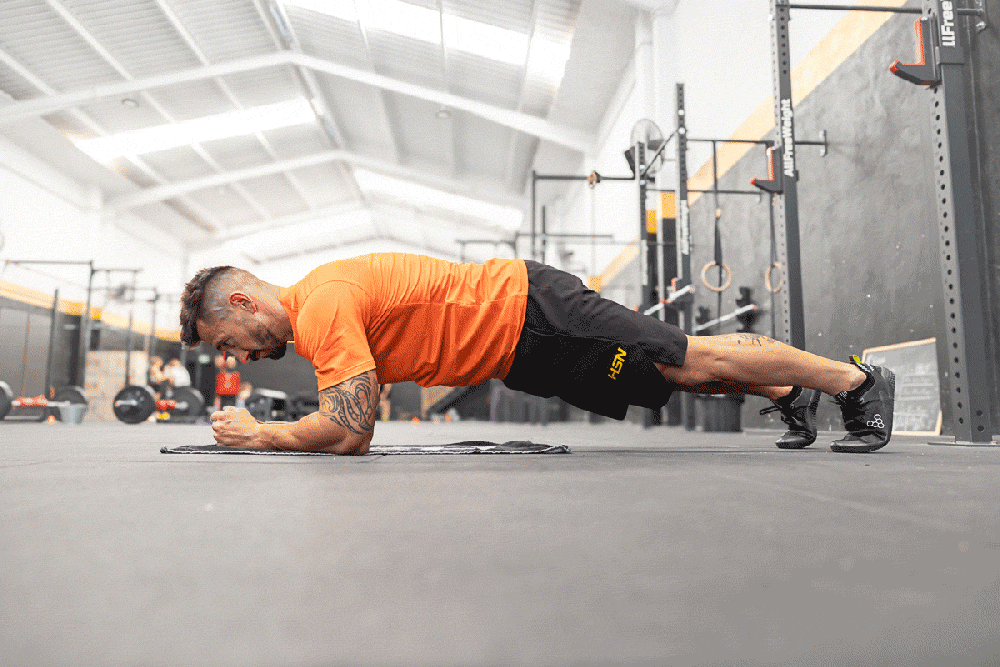
Execution: From a traditional plank, extend one arm forward at shoulder height. Hold your balance for 5–10 seconds and alternate arms.
Sessions: 3 sets of 8 repetitions per arm.
Variations: use light weights or raise the arm to the side.
Tip: do not hyperextend the neck; look at the floor to avoid tension.
3 Side plank
An exercise that works the obliques, gluteus medius, and shoulders.
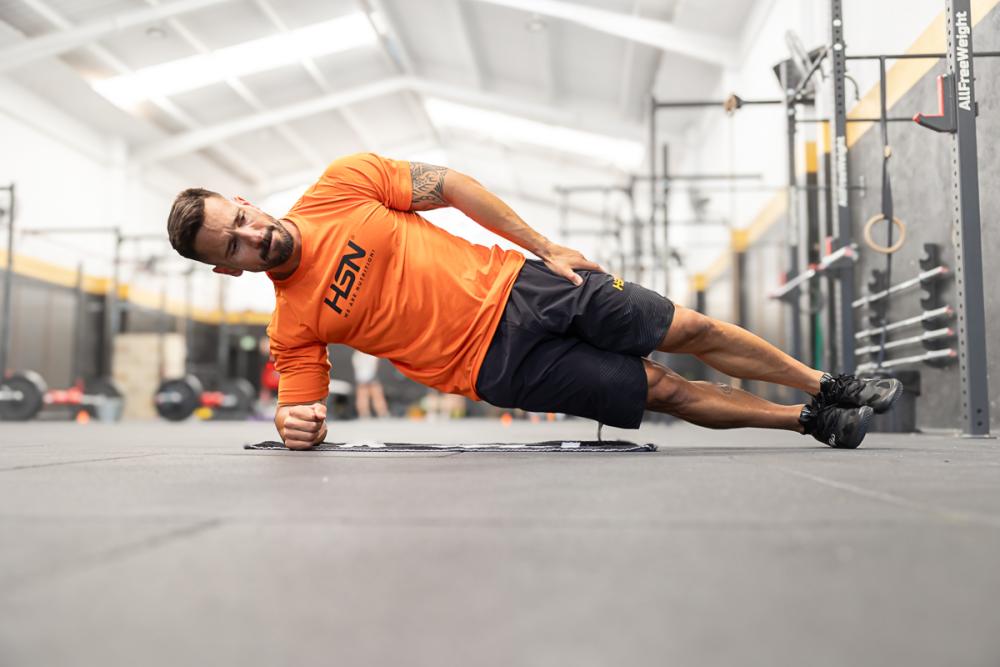
Execution: Lie on your side, support yourself on one forearm, and lift your hips to form a straight line. Hold for 15–30 seconds per side.
Sessions: 3 sets of 30 seconds per side.
Variations: lift the top leg or perform rotations with the free arm.
Tip: press the floor firmly with your forearm to better activate the obliques.
4 Plank with lateral displacement
An exercise that works the entire core, deltoids, and pectorals.
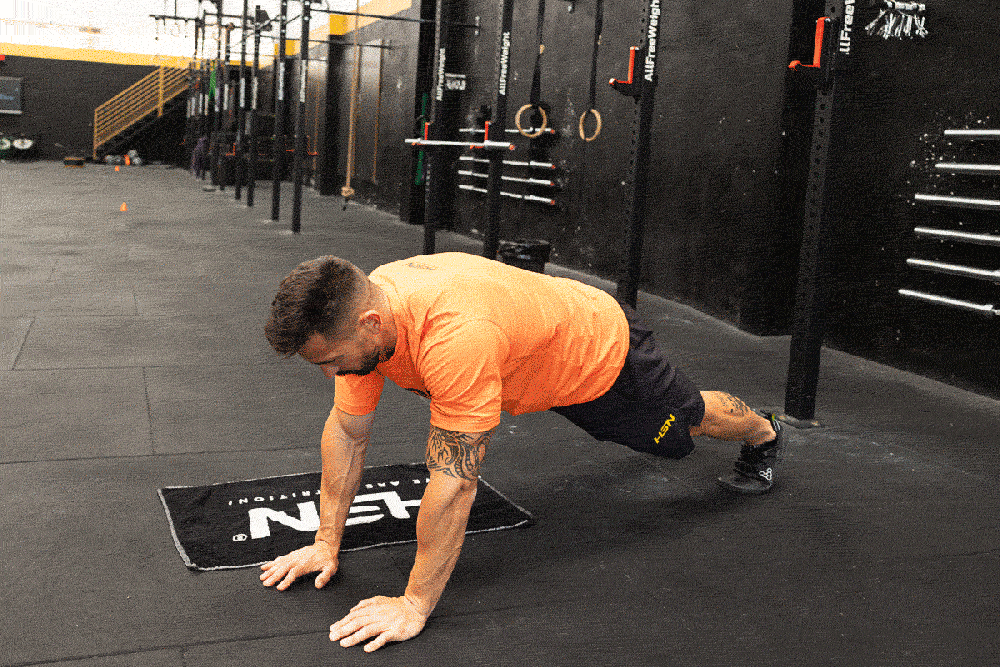
Execution: In a high plank position, move your hands and feet to one side in short steps. Perform 8–10 repetitions per direction.
Sessions: 3 sets of 10 steps per side.
Variations: add a resistance band around the ankles.
Tip: control the speed to avoid excessive swaying.
5 Plank with leg raise
An exercise that works glutes, lower back, and the transverse abdominis.
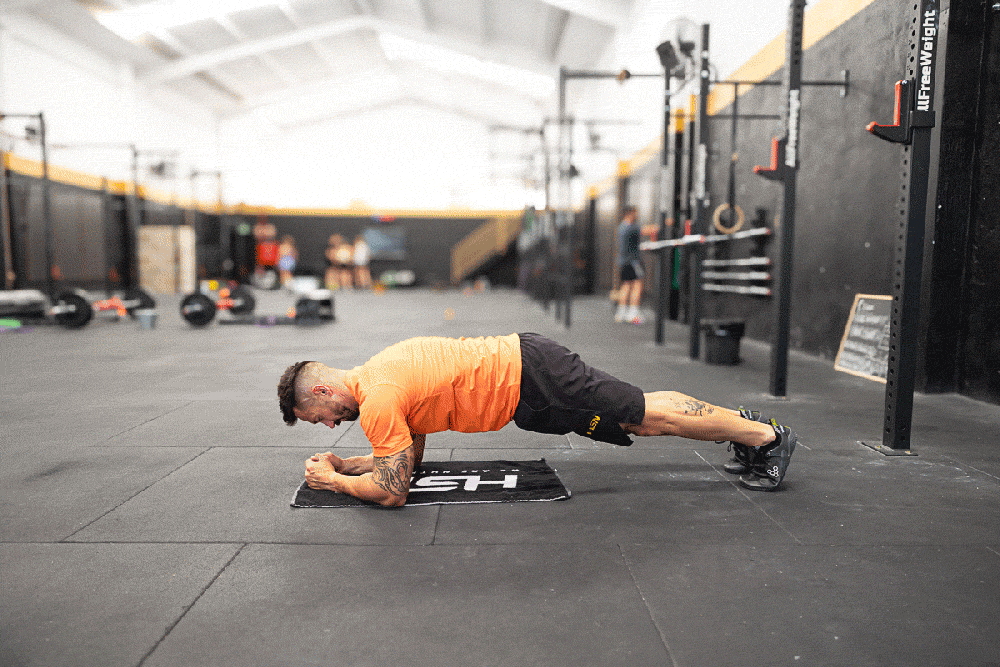
Execution: From a traditional plank, lift one straight leg up to hip height. Hold for 5 seconds and alternate legs.
Sessions: 3 sets of 8 repetitions per leg.
Variations: bend the knee toward the chest.
Tip: do not lift the leg beyond your postural control range.
6 Plank with knees to elbows
An exercise that works the lower abs and hip flexors.
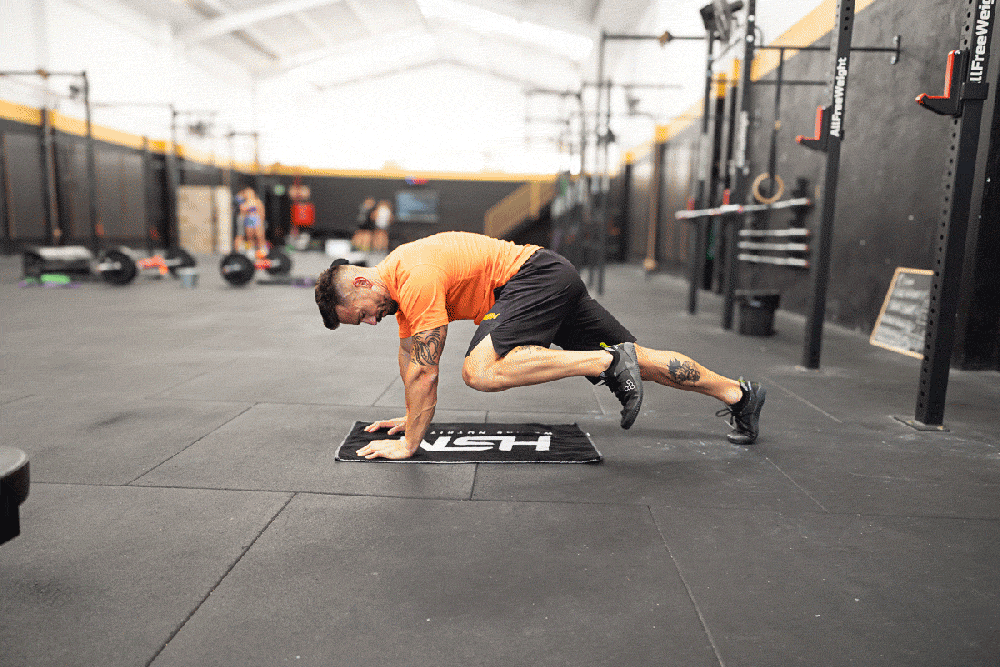
Execution: In a high plank, bring one knee toward the opposite elbow. Alternate legs quickly for 30–45 seconds.
Sessions: 3 sets of 30–45 seconds.
Variations: touch the elbow with the knee for greater intensity.
Tip: keep the core engaged to avoid lateral swaying.
7 Plank with alternating arm extension
An exercise that works the deep core, shoulders, triceps, and overall stability.
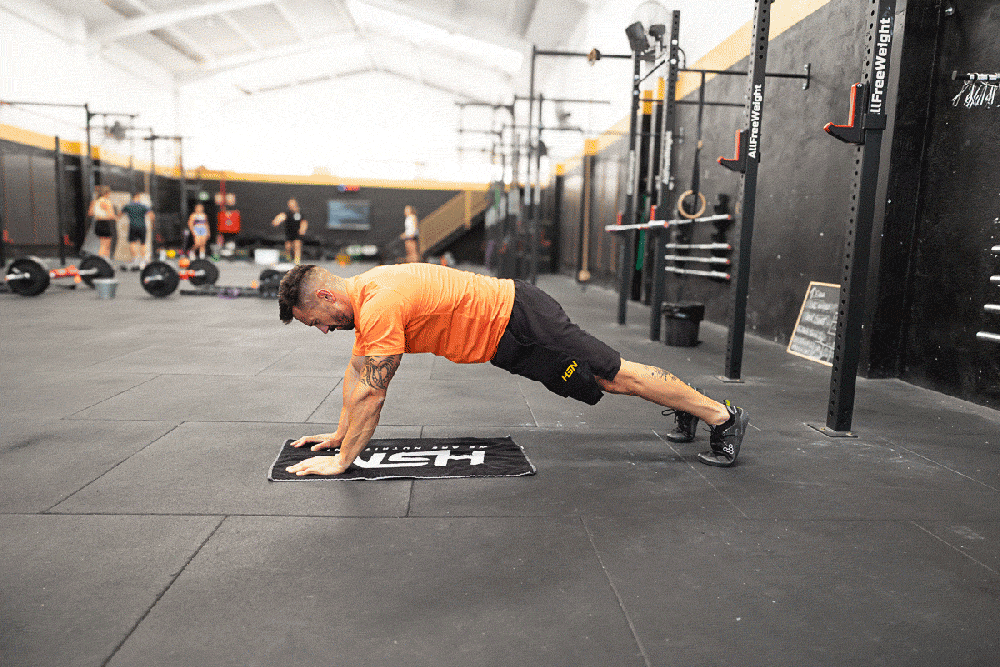
Execution: In a high plank position (hands under shoulders), extend one arm forward in line with the body, keeping the rest of the body stable. Place the hand back on the floor and repeat with the other arm. Perform the movement in a controlled, alternating manner.
Sessions: 3 sets of 10–12 repetitions per side or for 30–45 seconds.
Variations: raise the arm and the opposite leg at the same time (“bird-dog” plank).
Tip: keep the pelvis stable and avoid hip rotation when lifting the arm. Engage the abs and glutes to maintain alignment.







The information below is required for social login
Sign In
Create New Account