

Before starting this second protocol, I want to thank you for the success of the first one (where I covered the topic of losing the maximum amount of fat), which already has over 20,000 visits.
Following that protocol, I received dozens of requests by email and especially messages on Twitter asking if I could write one about muscle gain. For this reason, I want to dedicate this protocol to all those people who trust HSN and, as a result, allow projects like those of PowerExplosive or mine to move forward.
That said, let’s get started with the protocol:
First, check your current body fat %
The first thing we need to understand when starting a “bulking phase” is that our body fat percentage will determine its success, meaning people with a high body fat percentage will have a much poorer muscle gain than someone with a low body fat percentage.
Factors like:
- higher insulin resistance,
- more inflammation, and
- poorer glucose uptake by muscle,
Will affect the behavior of fat cells (cells where fat is stored), leading to an easier fat storage. Since a diet to gain muscle mass is based on a high carbohydrate intake (I’ll explain why later), the result can be disastrous if we do a hypercaloric diet under these conditions.
High carbohydrate intake
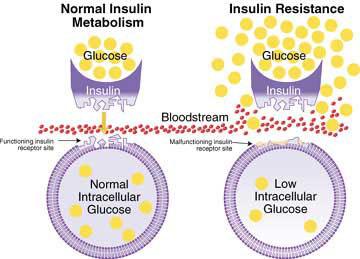
Insulin Resistance
When we put the body on high-carb diets, hundreds of changes happen in our body, especially at the muscle, liver, and adipose tissue levels, through the expression of genes, factors, and transporters (like GLUT4, which increases muscle glycogen).
Starting from this, we see how excess carbs can be harmful if we don’t have good insulin sensitivity, since our cells can’t take up a large amount of glucose, leading to a much higher amount of free glucose, which will be stored as fat.
Activation of ChREBP
An example of the changes caused by massive carb intake is the activation of ChREBP (carbohydrate response element-binding protein), which leads to a higher number of enzymes related to using glucose as fuel.
Another function of ChREBP is to increase the number of enzymes that convert carbs into fat, besides preventing glucose uptake by the liver, which creates resistance, favoring poorer glucose use by the liver1.
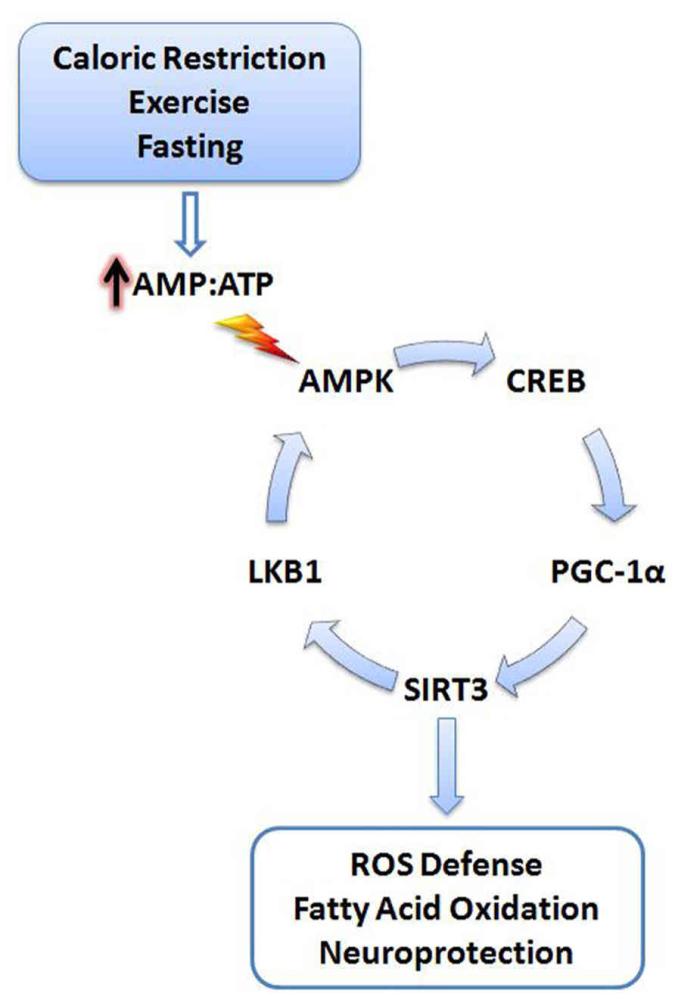
This makes no sense in a hypocaloric diet, since as I mentioned above, the calorie deficit itself (AMPK) inhibits ChREBP2, 3. So, the importance lies solely in hypercaloric diets, a situation we will seek by necessity to gain muscle mass.
Hypercaloric carb diet = insulin resistance?
Not necessarily. For insulin resistance to occur, it’s usually one of these two cases:
- Sedentary people, which includes 90% of those suffering from obesity
- Athletes doing a pretty aggressive “bulking” phase.
Since I assume people following this protocol will train, let’s focus on group 2.
Bulking, the double-edged sword
I don’t want to scare anyone, but a poorly done bulking phase can cause irreversible metabolic changes
When we do a very wild bulking, consuming a pretty high calorie surplus, our body responds by storing that excess as fat, something that doesn’t happen when the excess macronutrient is protein, as shown by Jose Antonio’s study4, nothing new so far.
Hypertrophy and Hyperplasia
However, since the calorie surplus is high, a process called adipocyte hyperplasia occurs, where the number of fat cells increases, as some studies.
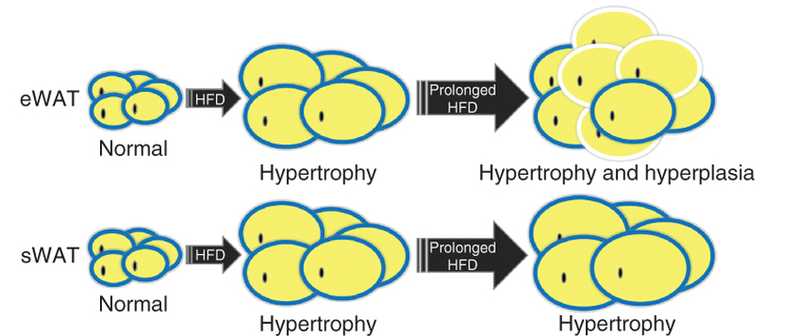
If we look closely, a calorie surplus, in this case with a high-fat diet (High Fat Diet) causes an increase in fat cell size (hypertrophy), but when prolonged, it can lead to hyperplasia.
No to excessive bulking
These new fat cells will remain once we finish our bulking phase and start our cutting phase, so our “new” body will find it easier to store fat.
As I mentioned before, in this scenario, insulin resistance can develop in the liver and muscle, worsening the problem at the adipose tissue level, leading to an increase in visceral fat, responsible for most pathologies.
Although exercise usually acts beneficially on adipose tissue, for example through interleukins (IL-6) that prevent body fat growth6, it’s not enough to counteract it, since the calorie surplus always wins.
The effects of an aggressive bulking phase don’t end here. The duration of a bulking phase usually lasts around 3-4 months, enough time for the body to set a new set-point. This means our body takes that new body weight as a reference.
If any of us tries to lose that fat, the body will resist more, slowing down our metabolism. This is why many people find that after finishing a prolonged bulking phase, it’s harder to get below the fat % they had before starting, extending the cutting phase, often needing 3-4 more weeks to reach the point they needed.
So, how do I prepare my bulking phase?
Like in the previous protocol, we’ll cycle calories again to achieve a much cleaner muscle gain, although I must warn that gaining without increasing fat % is really tough.
The diet will be divided into two:
- One for training days with a calorie surplus of 450-500 kcal, and
- one for rest days with a normocaloric intake (calories consumed = calories burned).
The reason is pretty simple: a small calorie surplus like 450 kcal (which would be a max surplus of 110 g of carbs) is tolerated by the body partly thanks to the increase in basal metabolism by raising T3 (thyroid hormone), which facilitates a much faster metabolism, oxidizing more glucose by cells:
More glucose oxidation by cells = less glucose stored as fat
Bulking with a high-carb diet
Many might think a high-carb diet isn’t the best option to increase muscle mass, since it can be stored as fat. I repeat, that’s totally true, but as studies show, the minimum amount of carbs needed to be stored as fat is 15 g/kg body weight.
If we look at the previous graph, when glycogen stores are depleted, it takes at least 48 h on a high-carb hypercaloric diet to start being stored as body fat.
Since none of us will start with completely empty glycogen stores (unless coming from a ketogenic or PSMF diet), the time needed will be less. For this reason, this protocol will require a training routine that quickly depletes glycogen stores, so we’ll train squats, deadlifts, or bench press daily with the possibility of doing HIIT some days.
I know this might sound contradictory, since it’s always said to avoid cardio during bulking, but my theory is that explosive movements like sprints or similar exercises can help us in this protocol because they quickly lower glycogen and help improve glucose uptake by muscle, giving us a bigger margin to increase carb consumption.
Since macronutrient distribution, timing, and calorie increase protocol are quite extensive topics, I’ll talk about them in a second part, so I can go into detail on each without problems.
Big hugs to all!







The information below is required for social login
Sign In
Create New Account