
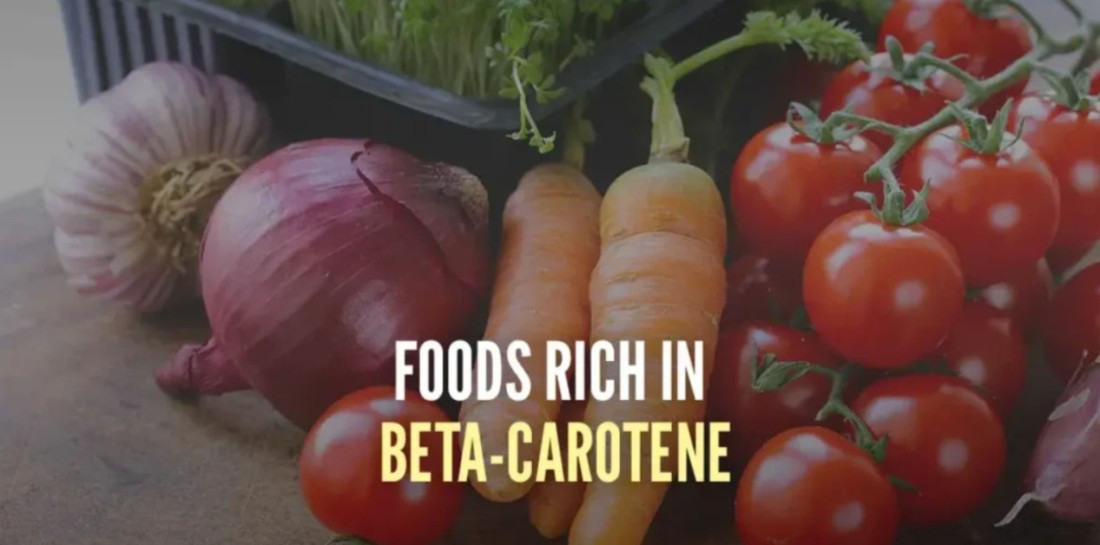
Did you know that when you go to the market, you are surrounded by foods rich in beta-carotene? Yes, this substance is the star component of many food products likely in your shopping basket.
We can broadly divide natural sources of beta-carotene into 3 groups:
- Fruits with yellow or orange tones, like peaches, oranges, persimmons, or apricots
- Green leafy vegetables, like Swiss chard, spinach, watercress, lettuce, or broccoli
- Vegetables, like carrots, red peppers, pumpkins, or tomatoes
Which Foods Have the Highest Beta-Carotene Content?
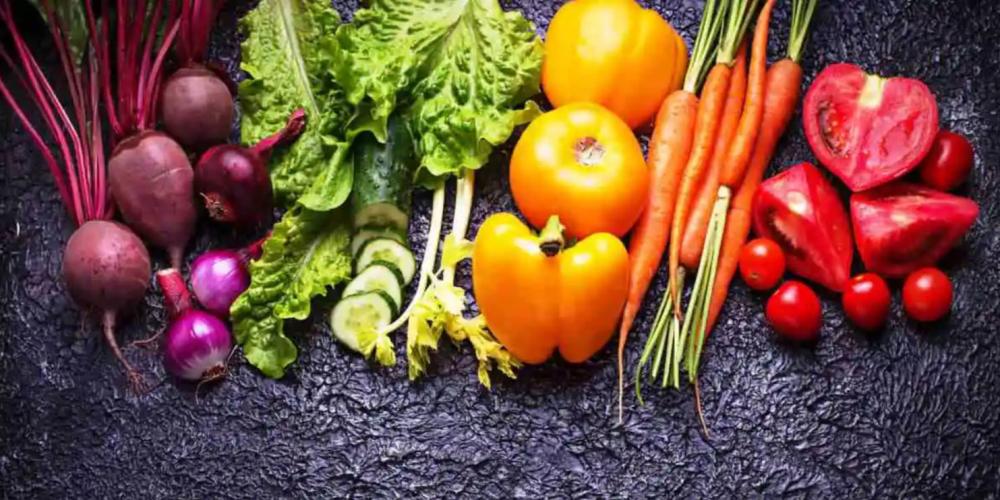
Not to be ‘numerus clausus’, as the list of foods containing ß–carotene would be too long to include here. However, we have compiled a list of those that provide the highest amount of this carotenoid.
| Food | Beta-Carotene Content (ppm or micrograms/g) |
| Carrot | 673 |
| Watercress | 560 |
| Beetroot | 468 |
| Pepper | 460 |
| Peanut | 360 |
| Kale | 345 |
| Parsley | 267 |
| Persimmon | 253 |
| Green bean | 245 |
| Fennel | 241 |
| Endive | 240 |
| Coriander | 228 |
| Radish | 214 |
| Cantaloupe | 200 |
| Lettuce | 190 |
| Bearberry (uva ursi) | 172 |
| Celery | 144 |
Chloroplasts in green vegetables facilitate photosynthesis, with carotenoids varying in fruits depending on the species. Although they provide less vitamin A than retinol, their presence in plants and some animal foods is crucial for health. The ß-carotene, in particular, has anti-ageing and anti-cancer benefits, notably in preventing prostate cancer.
Can Beta-Carotene Be Taken?
Major health authorities recommend prioritising food beta-carotene over supplements, although the latter are useful when a balanced diet is not achieved, especially in certain pathological conditions.
Five pieces of fruit and one serving of vegetables (mainly green) daily provide between 6 and 10 g of this carotenoid, positively impacting health.
Beta-carotene food supplements available are classified into water-based and oil-based, with the latter being more efficient in terms of oral absorption.
| Group | Recommended Dose |
| Adults (general) | 25,000 IU daily (15 mg/day) |
| Intake with no additional benefit | Up to 100,000 IU (60 mg/day) |
| Dermatological conditions | Up to 180 mg/day |
| Children 4-8 years | 1,300 IU |
It is crucial to consider that the absorption capacity of beta-carotene depends on various factors, including individual metabolism and the presence of fat in the digestive system.






The information below is required for social login
Sign In
Create New Account