

What is folic acid?
Folic acid, also known as vitamin B9, folacin or folate, is an outstanding component from the B vitamin complex. Therefore, it is a water soluble substance. Like other vitamins, folic acid performs several tasks in the body, some of them vital because they involve basic metabolic processes.

Properties of folic acid
Synthesis of Blood Cells
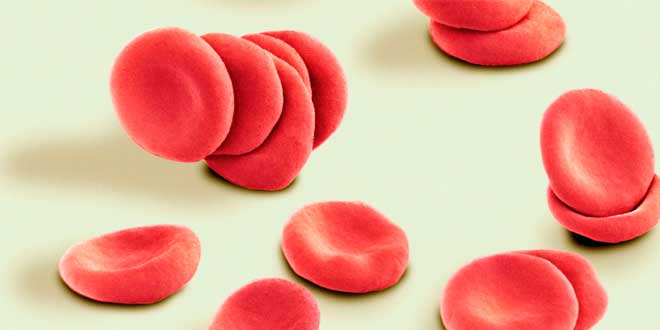
In fact, it is involved in the production of red blood cells as an irreplaceable piece of some enzymes. More specifically, it is essential for the formation of the heme group (main constituent of the hemoglobin that transports iron). In order to perform this task, it works together with vitamin B12.
Synthesis of DNA
The synthesis of DNA is one of those biochemical processes that we could not carry out without folic acid. As we all know, the DNA is the molecule that holds all the genetic information of human beings. Moreover, folic acid is equally important for the RNA synthesis, which is closely connected to the latter and essential for proteins. From this, we can conclude that folic acid heavily conditions cell division in the body.
Health of the Bacterial Flora
Even though it is necessary to supply folic acid through the diet to meet our requirements, the bacterial intestinal flora is capable of synthesizing it. After that, it is mainly absorbed in the jejunum (central segment of the small intestine). In addition, the liver works as a reserve organ that attends the needs of the tissues.
What are the functions of folic acid?
- Being involved in the carbon transfer reactions, which are common to most synthesis processes. For this, it works as a coenzyme that catalyzes the reactions.
- Synthesizing puric bases (adenine, thymine and uracil) and pyrimidine bases (cytosine and guanine), structural constituents of DNA and RNA.
- Preventing the onset of serious congenital malformations such as spina bifida and anencephaly (defects in the closure of some parts of the encephalon).
- Protecting the fetus against said malformations. That is one of the main tasks of folic acid and the reason why pregnant women should take it before and after the pregnancy.
- Reducing the onset of cardiovascular problems by hindering the synthesis of homocysteine. This is a variant of the amino acid cysteine which is a predisposing factor for obstructing the arteries.
- Seemingly preventing cancer (mainly colon cancer) due to the fact that it contributes to the formation of free radicals at a cell level.
- Stimulating the release of hydrochloric acid in the stomach, avoiding bad digestions.
- Improving the quantity and quality of the sperm, which is why it may improve the fertility.

Folic acid and the nervous system
Finally, we will talk about its connection to the nervous system. Some studies point to the possibility that it could enhance the effect of psychiatric drugs to treat depression. Others link an extra folacin supplementation to mental acuity and memory from the age of 50 onward. In fact, Alzheimer patients usually have lower blood folic acid levels, which speaks of the importance of this vitamin for its prevention.
Symptoms of a folic acid deficiency
Once we have described the functions of folic acid, it would be interesting to know what would be the symptoms of a lack or deficiency:
- Weakness, lack of appetite and, consequently, weight loss
- Mouth ulcers
- Nausea
- Spontaneous diarrhea
- Depression and irritability simultaneously
- A certain degree of amnesia
- Arrhythmia and other heart problems
- Pale mucosa due to the so called megaloblastic anemia
How much folic acid do we need?
To prevent any of this from happening, it is advisable to take a daily dose of 300-400mg for adults (600mg for pregnant women). However, we need to be careful because there are substances like alcohol, smoke, barbiturates and antacids that can hinder its use.







The information below is required for social login
Sign In
Create New Account