
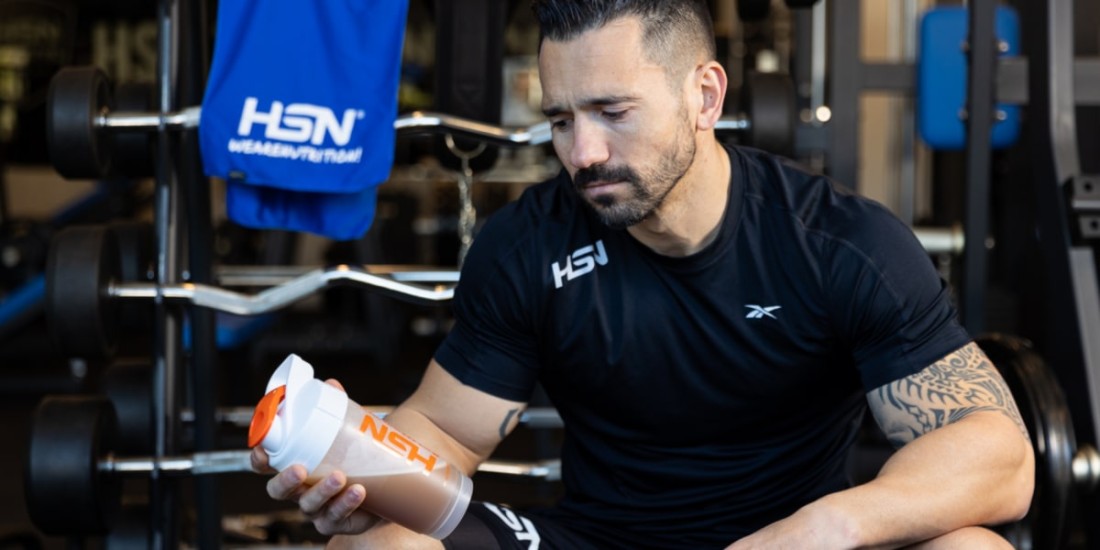
Learn when to take your protein shakes optimally: before or after your workout. Boost your performance with the best tips!
| BEFORE TRAINING | AFTER TRAINING |
| Provides sustained energy for exercise. | Supports muscle repair and growth. |
| Reduces muscle breakdown during training. | Accelerates recovery after physical exertion. |
| Improves performance and endurance. | Restores the body’s energy levels. |
| Prepares the body for efficient protein synthesis. | Reduces post-workout muscle soreness. |
| Ideal for intense and prolonged workouts. | Essential after strength or endurance exercises. |
Pre-workout protein shakes
Drinking a protein shake before training can have several effects and benefits that can help improve your training performance and results, depending on your individual goals and needs.
- Energy boost: The carbohydrates and protein in a shake can provide a source of energy for your workout.
- Improved performance: Protein intake before exercise can help improve performance, especially in endurance training or high-intensity workouts. Amino acids from protein can be used as fuel during exercise, which can delay fatigue and improve performance.
- Catabolism: Amino acids in proteins can help prevent muscle breakdown and thus contribute to the preservation of muscle mass.
- Reduced muscle soreness: Some people find that consuming protein before exercise helps reduce post-workout muscle soreness, known as delayed onset muscle soreness (DOMS).
- Glycogen replenishment: If you are doing intense endurance training, the combination of protein and carbohydrates in a shake can help replenish glycogen stores in your muscles and liver, which is important for future exercise performance.
- Easily digestible: Protein shakes are often easy to digest, which can be advantageous if you don’t want a full meal before training.
How to take protein before training?
The amount of protein you should consume before training may vary depending on your individual needs and goals.
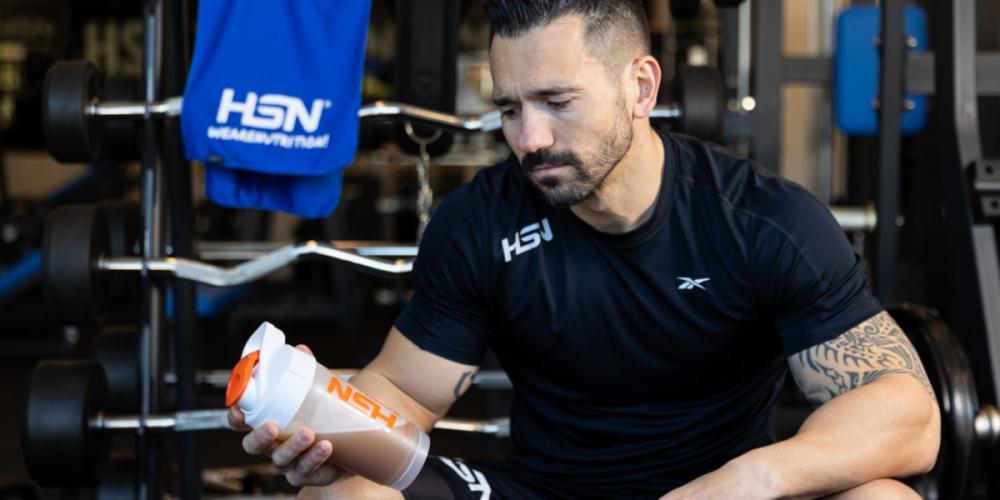
Post-workout protein shakes
In addition to all the above benefits, we can highlight that:
- Protein intake after exercise can stimulate muscle protein synthesis, which means your body builds and repairs muscle tissue more efficiently.
- They are easy to prepare and consume, making them a convenient option for obtaining essential nutrients after training.
How to take protein after training?
To find out how to take protein after training, keep in mind that a protein powder shake is one of the most popular and convenient ways to get protein after training.

In which cases is it recommended to take protein during training?
In most cases, it is not recommended to consume protein during training. Nutrition during training tends to focus on hydration and carbohydrate and electrolyte replenishment, rather than protein.
However, there are specific situations in which it may be appropriate to consume protein during training:
- Long-term endurance training, such as a marathon, a long cycling race, or a long walk.
- High-intensity and very long workouts such as doing CrossFit for hours at a time.
Considerations to take into account
Taking protein shakes can be a great way to increase the protein intake in your diet so that it is balanced. However, there are some important considerations to bear in mind:
- Define if your goal is to gain muscle mass, lose weight, increase your protein intake, etc. As the amount and type of protein you need may vary.
- Type of protein. There are different types of protein powders, such as whey, whey or whey isolate, casein, soy protein, pea protein, rice protein, among others. Each type has its own characteristics and absorption rates. Choose the type that best suits your needs and preferences.
- Product quality: Go for quality products, preferably trusted and well-reputed brands. Read labels or manufacturing analysis to make sure they do not contain unwanted ingredients, such as added sugars, artificial sweeteners or unnecessary additives, and that the inside matches the nutrition label.
- Proper dose: Follow the dosage recommendations on the package or better yet consult a professional to determine how much protein you need per day. Generally, around 20-40 grams of protein per shake is suggested, but this may vary depending on your individual goals and requirements.
- Control your total intake: make sure you don’t exceed your total daily requirement, as too much can put extra strain on your body, add calories you don’t need and can even lead to intestinal discomfort such as gas.
Conclusions
Whether you choose to drink a protein shake before or after training depends on your personal goals and meal program.
It depends on whether your goal is to increase energy and performance during training, whether you seek to maintain nutrient balance and provide essential amino acids for muscles during exercise or prevent muscle breakdown (catabolism) during prolonged or intense exercise, whether your goal is muscle recovery and growth, etc.







The information below is required for social login
Sign In
Create New Account