
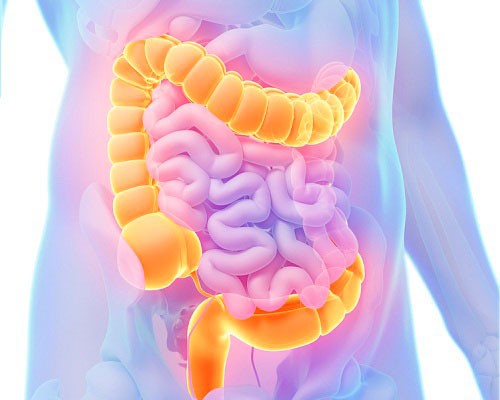
Colon care. Healthy tips to keep your colon clean
Every day, without even realizing it, we introduce toxins into our body that can cause a toxic colon, leading to countless symptoms like heaviness, fatigue, gas, acidity, slow digestion, constipation, overweight, headaches, cancer, and many other chronic diseases.
Over time, excess toxins can directly affect vital organs like kidneys, pancreas, intestines, etc…
There are certain habits like eating low-quality nutrient foods, careless habits, constant stress, lack of exercise, little attention to what and how we eat, that cause a series of disorders in our digestive system. All these habits will eventually cause a buildup of waste on the walls of the large intestine (colon) that will prevent it from working properly.
Diet
Following a balanced diet rich in fruits, veggies, cereals, and legumes that provide a good dose of fiber is essential to keep the colon healthy. Adults (over 18 years) should take 25-35 g/day, with a ratio of insoluble to soluble fiber of 3:1. For kids over 2 years, fiber amount can be calculated with a simple trick “age + 5” grams/day; so, for example, a 3-year-old kid should take about 8 g of fiber daily. This corresponds to a daily intake of 0.5 g of fiber/kg of the kid’s weight.
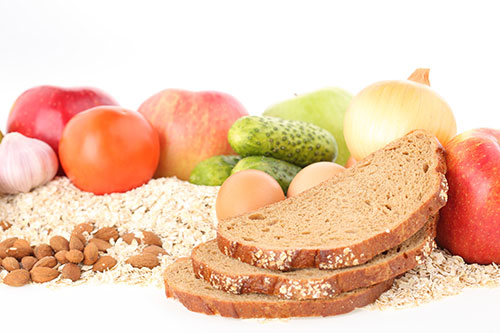
Tips for following a fiber-rich diet:
- Eat two to three servings of veggies or salad daily.
- Add nuts to your diet regularly, for example a “handful” (25 grams shelled) two to three times a week.
- Add whole grains (whole seed) or fiber-enriched foods at least two or three times a day.
- Eat two to three whole pieces of fruit daily.
- Consume legumes (beans, chickpeas, lentils, etc.) at least twice a week.
Exercise
Doing physical exercise helps improve constipation, as it complements the intestines’ peristaltic movements and supports intestinal transit, reducing dryness and hardness of stools.
It’s recommended to wait a couple of hours after eating before starting exercise, so blood doesn’t divert from the digestive system to muscles and digestion isn’t disturbed. Aerobic exercises like walking, swimming, running, cycling, etc., are best.
Colon hydrotherapy
Also called hydrocolontherapy, irrigation or colon wash, colon or intestinal cleansing. It’s a safe and effective procedure to clean organic residues that accumulate over time on the intestinal walls by applying a large amount of water at different temperatures with controlled pressure in the large intestine. Getting colon hydrotherapy at least once a year can be beneficial to keep the intestine working optimally and clean.
Don’t hold back when you need to go
When you feel the urge to go, don’t hold it in. Holding back can be very harmful to your colon and intestines. Stool hardens, more toxins build up in your flora, and it becomes much harder to expel stools. Also, avoid “straining.” Many people who can’t defecate normally strain a lot, which can cause injuries or fissures in the anus. The ideal is to sit on the toilet and put your feet on a stool, as this position makes evacuation easier.
Drink plenty of water
As you probably know, you should drink at least two liters of water daily. But do you really? Increasing hydration is super important. The body needs fluids according to losses or needs, but if it doesn’t get them orally, it takes water from wherever it can. A good example is the water in stools. This makes them dry and hard, and no matter how much effort you make, they won’t move through the intestine.
Eat yogurts with bifidus
Already fermented yogurts are natural probiotics that help care for and maintain your intestinal flora, which is important for colon health.
Herbs and plants

There are some herbs, plants, seeds, and supplements that help you clean and detox your colon:
- Plantago psyllium (seed husk): rich in soluble dietary fibers. When the husk contacts liquids, it swells and creates a gel-like mass that hydrates stools and scrubs the colon walls, removing toxins.
- Althaea officinalis (marshmallow): contains large sugar molecules – mucilages – that have a soothing effect on the mucosa, colon, and intestinal walls.
- Cinnamomum cassia (Chinese cinnamon): has a digestive effect and helps renew tissues and membranes of the stomach and colon.
- Aloe vera: Aloe vera is a perennial plant from the lily family. Its leaves contain a transparent gel widely used as a balm for burns and wounds, and also as a laxative treatment. This is because it contains laxative compounds like aloin. Aloe vera can also help break down food in the intestines, contributing to constipation treatment.
- Flax seeds: Flax seeds contain mucilages and pectin, a type of soluble fiber, which have the property of wrapping and dragging all toxins deposited in the intestine through the stool.
- Rhamnus purshiana (cascara sagrada): Cascara sagrada contains chrysophanic acid, which stimulates the colon wall to produce peristaltic action. It also has a substance called emodin that controls the strong action of chrysophanic acid, producing a balanced laxative effect.






The information below is required for social login
Sign In
Create New Account