

EGCG, a standout component of green tea, has been studied since 2011 for its role in health care. Found in higher concentration and considered an antioxidant, this polyphenol is part of the catechins, substances that significantly impact health and have properties that perform various functions in the body.
- Reduces the risk of cardiovascular diseases.
- Improves metabolism and helps with weight control.
- Prevents cancer.
- Is a powerful antioxidant.
Keep reading to learn the details of each benefit.
1 reduces the risk of cardiovascular diseases
The catechins in green tea, especially EGCG, play a big role in cardiovascular health. These compounds help improve endothelial function, lowering blood pressure and LDL cholesterol levels. This effect helps prevent plaque buildup in arteries, reducing the risk of heart attacks and strokes.
2 improves metabolism and helps with weight control
Green tea catechins can boost thermogenesis, which is the process where the body burns calories to produce heat. This helps increase energy expenditure and promotes fat loss, which is key for effective weight management. Plus, they can improve glucose tolerance and reduce fat absorption in the intestine.
3 prevents cancer
EGCG has shown the ability to inhibit cancer cell growth and prevent angiogenesis (the formation of new blood vessels that feed tumors). It can also trigger apoptosis (programmed cell death) in cancer cells, which may help prevent cancer development and spread.
4 powerful antioxidant
Catechins are antioxidants that fight free radicals, unstable molecules that can damage cells and contribute to aging and diseases. The antioxidant power of these catechins helps maintain cell integrity, reducing oxidative stress and boosting the immune system, which supports overall health and chronic disease prevention.
Foods containing EGCG or catechins
Catechins, including epigallocatechin gallate (EGCG), are mainly found in green tea but also appear in other foods and drinks. Here’s a list of foods rich in catechins and EGCG:
- Green Tea: The main source of EGCG, green tea is the richest source of catechins, especially EGCG. Different types of green tea (like matcha, sencha, and gyokuro) can vary in catechin content.
- White Tea: White tea contains catechins, including EGCG, though usually in smaller amounts than green tea. Like green tea, white tea offers antioxidant benefits.
- Black Tea: During black tea’s fermentation process, many catechins convert into other compounds (theaflavins and thearubigins), but it can still contain some catechins.
- Chocolate and Cocoa: Dark chocolate, especially with a high cocoa percentage (70% or more), contains catechins, though not as much as green tea.
- Apples: Apples, especially red and green varieties, have catechins in the skin. Eating them with the skin gives more benefits. Besides catechins, apples provide fiber and vitamin C.
- Grapes: Red and purple grapes contain catechins in the skin.
- Red Berries: Blackberries, blueberries, and raspberries: These red berries are rich in various antioxidants, including catechins.
- Apricots: Fresh apricots contain catechins and other beneficial antioxidants.
- Cherries: Cherries, especially darker varieties, are a good source of catechins.
- Pears: Pears contain catechins, particularly in the skin.
- Strawberries: Strawberries are another fruit rich in antioxidants, including catechins.
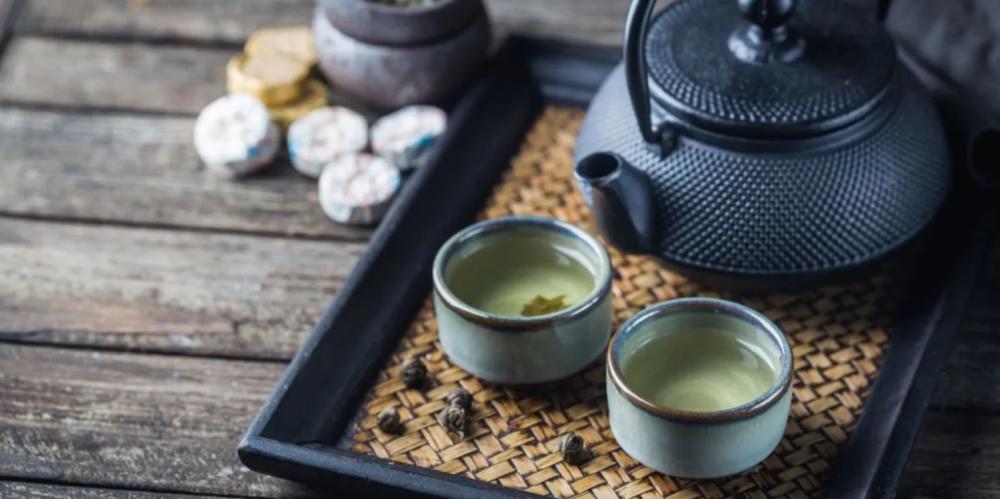
what’s the recommended dose of EGCG?
The recommended dose of EGCG (epigallocatechin gallate) can vary depending on health goals and how it’s consumed (pure supplement vs. green tea). Here are some general guidelines:
Green Tea
- Cups of green tea: One cup of green tea contains about 50-100 mg of EGCG. Drinking 3 to 5 cups of green tea daily can provide between 150 and 500 mg of EGCG.
EGCG dietary supplements
- Typical dose: EGCG products usually contain doses ranging from 100 to 300 mg per capsule. The commonly recommended dose is 300 mg per day.
- Safe maximum dose: While some people may take up to 800 mg per day under medical supervision, long-term high doses can have adverse effects. The European Food Safety Authority (EFSA) suggests doses of 800 mg or more daily may be linked to liver toxicity risks.
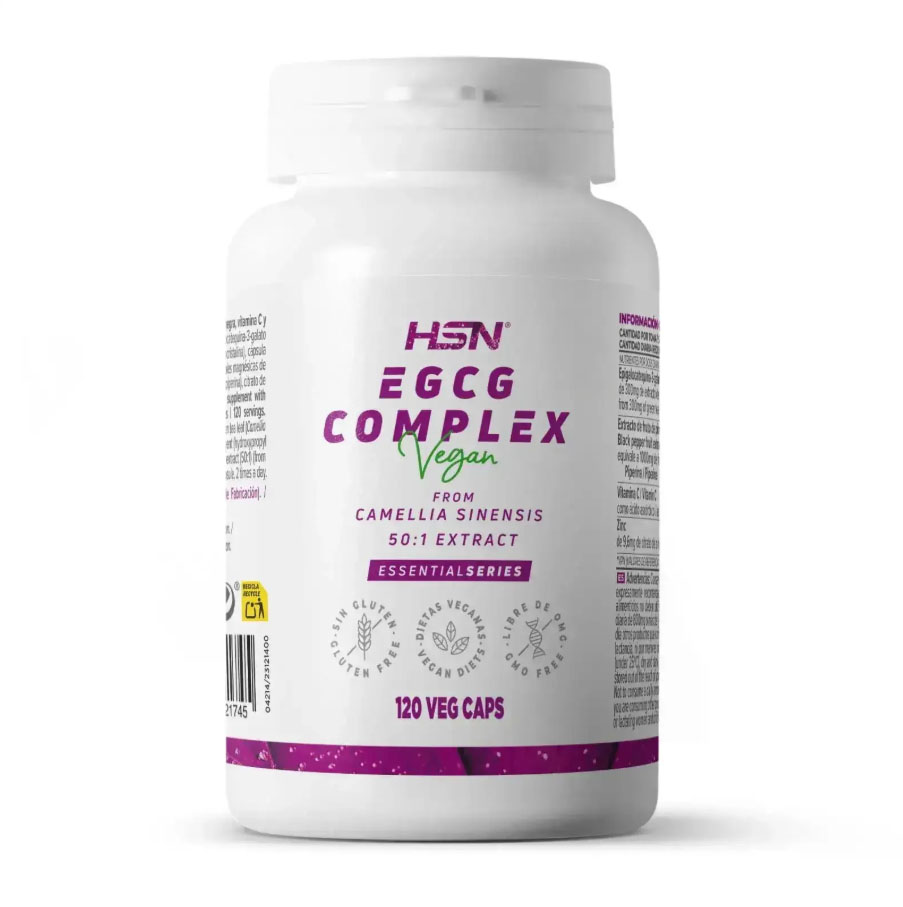
EGCG Complex (Epigallocatechin-3-Gallate) from EssentialSeries
are there side effects of catechins?
Yes, catechins can have side effects, especially when consumed in large amounts. The most common side effects include gastrointestinal discomfort like nausea and diarrhea, and possible sleep issues due to caffeine in green tea. Also, high doses of catechins have been linked to liver damage in rare cases.
They can also interact with certain medications, especially blood thinners, affecting their effectiveness. So, it’s important to moderate intake and check with an expert before starting catechin products.
Sources
- Claudia Musial, Alicja Kuban-Jankowska, Magdalena Gorska-Ponikowska. Beneficial Properties of Green Tea Catechins. DOI: 10.3390/ijms21051744
- Raymond Cooper, D James Morré, Dorothy M Morré. Medicinal benefits of green tea: part II. review of anticancer properties. DOI: 10.1089/acm.2005.11.639
- Masayuki Teramoto, Kazumasa Yamagishi, Isao Muraki, Akiko Tamakoshi, Hiroyasu Iso. Coffee and Green Tea Consumption and Cardiovascular Disease Mortality Among People With and Without Hypertension. DOI: 10.1161/JAHA.122.026477







The information below is required for social login
Sign In
Create New Account